
Tropical North Queensland Rainforest & Reef Educational Tour
Great Barrier Reef Science, Wet Tropics Rainforest & Sustainability
Tour Overview
Tropical North Queensland Rainforest & Reef Educational Tour immerses students in two globally significant UNESCO World Heritage areas: the Great Barrier Reef and the Wet Tropics Rainforest. This tour provides an exceptional opportunity to explore biodiversity, ecosystems, climate, Aboriginal cultural knowledge and marine science through hands-on, experiential learning.
Students engage in guided reef studies, citizen science programs and rainforest fieldwork, gaining insight into ecosystem interdependence, conservation challenges and sustainability practices. The tour is designed to support Geography, Science, Environmental Science and STEM outcomes, with experiences scaled to suit different year levels and academic pathways.
This program is ideal for schools seeking high-impact environmental education within a structured, well-supported multi-day tour.
Sample Day-by-Day Itinerary
Indicative program – all activities can be tailored to learning outcomes and year levels
Day 1 – Arrival & Tropical Orientation (Cairns)
Arrival in Cairns and regional orientation
Introduction to tropical climates, ecosystems and safety
Evening briefing on reef and rainforest environments
Learning Focus: Climate, regional geography, environmental awareness
Day 2 – Rainforest Systems & Aboriginal Culture
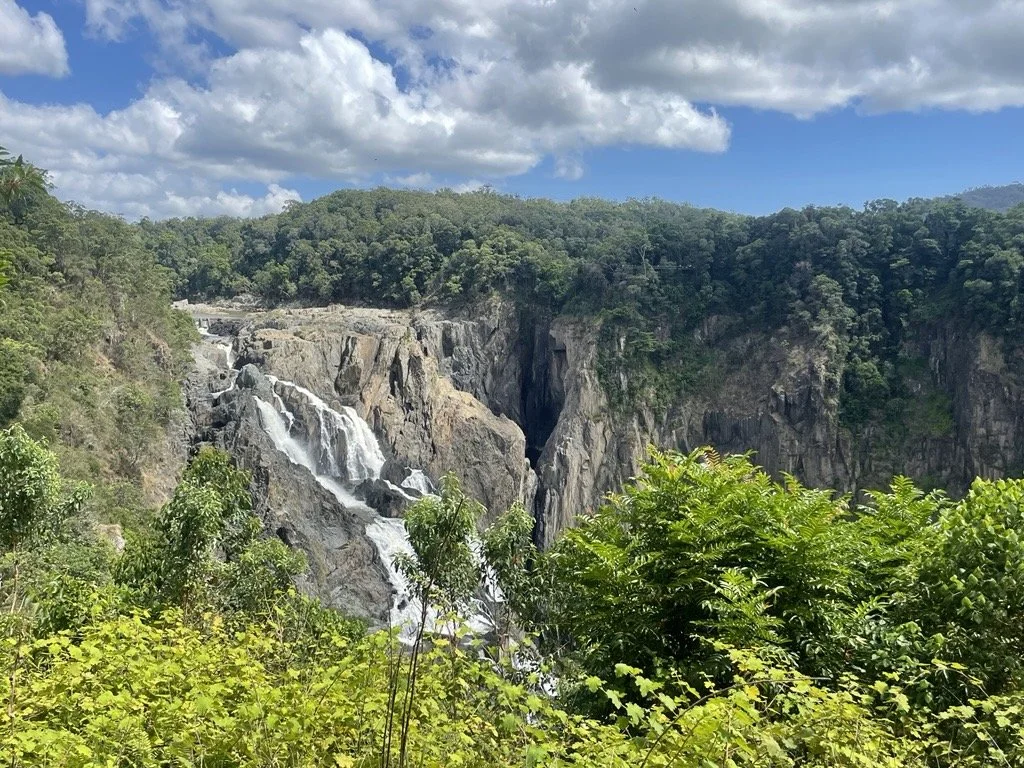
Kuranda Scenic Railway journey through the rainforest
Rainforestation Nature Park experience including:
Army Duck rainforest tour
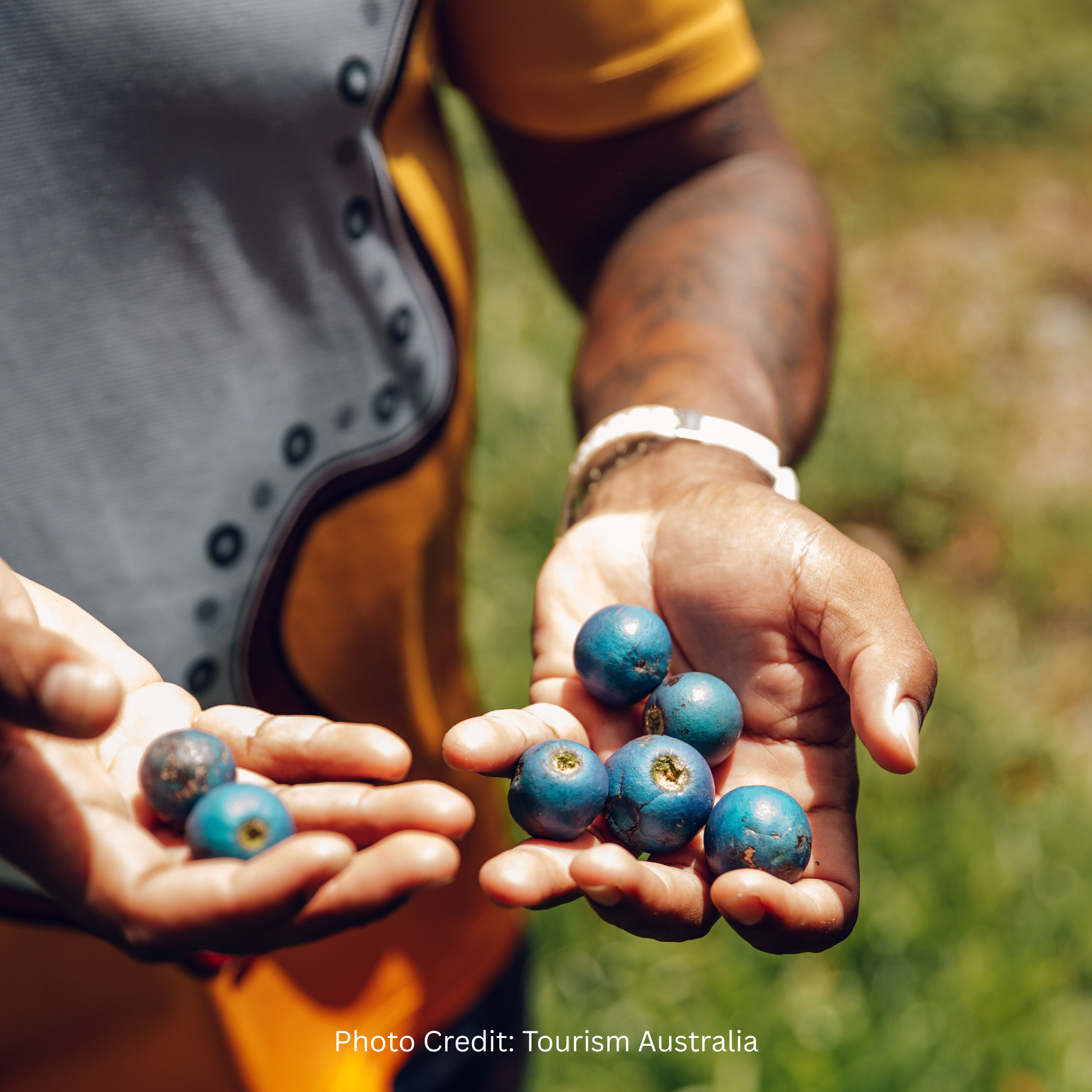
Pamagirri Aboriginal Experience
Koala and Wildlife Park
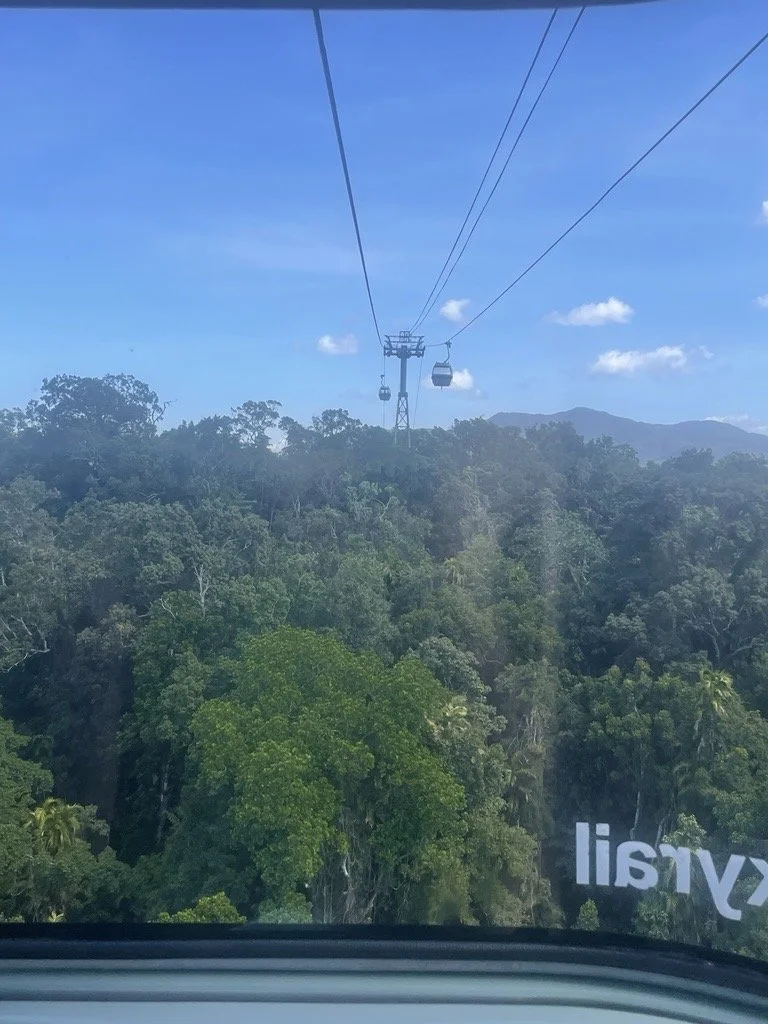
Skyrail Rainforest Cableway with canopy-level interpretation
Learning Focus: Rainforest ecology, Aboriginal perspectives, biodiversity
Day 3 – Great Barrier Reef Science & Citizen Science
Full-day Great Barrier Reef cruise
Snorkelling and reef observation
Participation in the Eye on the Reef monitoring and assessment program
Discussion of coral health, climate impacts and conservation
Learning Focus: Marine ecosystems, scientific inquiry, sustainability
Day 4 – Daintree Rainforest & Coastal Interfaces
Visit to Daintree Discovery Centre for structured learning
Daintree River Cruise identifying crocodiles and riverine species
Cape Tribulation exploration where rainforest meets reef
Learning Focus: Ecosystem interconnection, biodiversity, conservation
Day 5 – Heritage, Engineering & Reflection
Paronella Park visit examining heritage, engineering and sustainability
Reflection session linking field experiences to curriculum outcomes
Learning Focus: Human innovation, heritage conservation, sustainability
Key Learning Areas
Subjects Supported
Science & Environmental Science
Geography
Marine Biology (secondary/tertiary)
Sustainability Studies
STEM
Aboriginal and Torres Strait Islander Studies
Curriculum Connections
Coral reef ecosystems and marine biodiversity
Rainforest ecology and climate interactions
Human impact and conservation management
Aboriginal connections to Country and land stewardship
Scientific inquiry, data collection and monitoring
Sustainability and environmental responsibility
Suitability by Education Level
Primary School (Years 5–6)
Guided reef and rainforest experiences
Introduction to ecosystems, biodiversity and conservation
Observation-based learning supported by interpretation
Secondary School (Years 7–12)
Fieldwork and data collection aligned to Science and Geography
Participation in reef monitoring and inquiry-based activities
Strong links to assessment tasks and cross-curriculum priorities
Tertiary & Vocational
Applied marine and environmental science experiences
Exposure to research-based conservation and sustainability programs
Suitable for university, TAFE and STEM-focused cohorts
Customisation Options
Adjust tour length or daily focus
Tailor learning outcomes by subject or year level
Incorporate assessment-linked activities
Suitable for single-school or multi-school groups
Plan Your Tasmania Educational Tour
Work with Team of Travel’s tour coordinators to tailor this itinerary to your students’ curriculum requirements, learning objectives and preferred travel dates.