
Tasmania Discovery Journey: Science, History & Natural Environments Educational Tour
North to South Experiential Learning Program
Tour Overview
Tasmania Discovery Journey: Science, History & Natural Environments Educational Tour is a comprehensive, curriculum-aligned program that takes students on an immersive journey from northern to southern Tasmania. Designed for primary, secondary and tertiary cohorts, this tour integrates science, history, geography, environmental studies and cultural learning through hands-on and place-based experiences.
Students engage with Tasmania’s industrial heritage, unique wildlife, renewable energy history and diverse natural landscapes. The itinerary balances interactive learning centres, national parks, historic sites and wildlife encounters, allowing students to connect classroom learning with real-world contexts. The tour supports inquiry-based learning, fieldwork observation and cross-curriculum priorities, while remaining flexible to meet different year levels, subject focuses and assessment outcomes.
This program is ideal for schools seeking a whole-of-Tasmania educational experience that combines learning, exploration and curriculum relevance.
Sample Day-by-Day Itinerary
Indicative program – all activities can be tailored to learning outcomes and year levels
Day 1 – Northern Tasmania: Industrial Heritage & Marine Life
Beaconsfield Mine visit exploring mining history and workplace safety
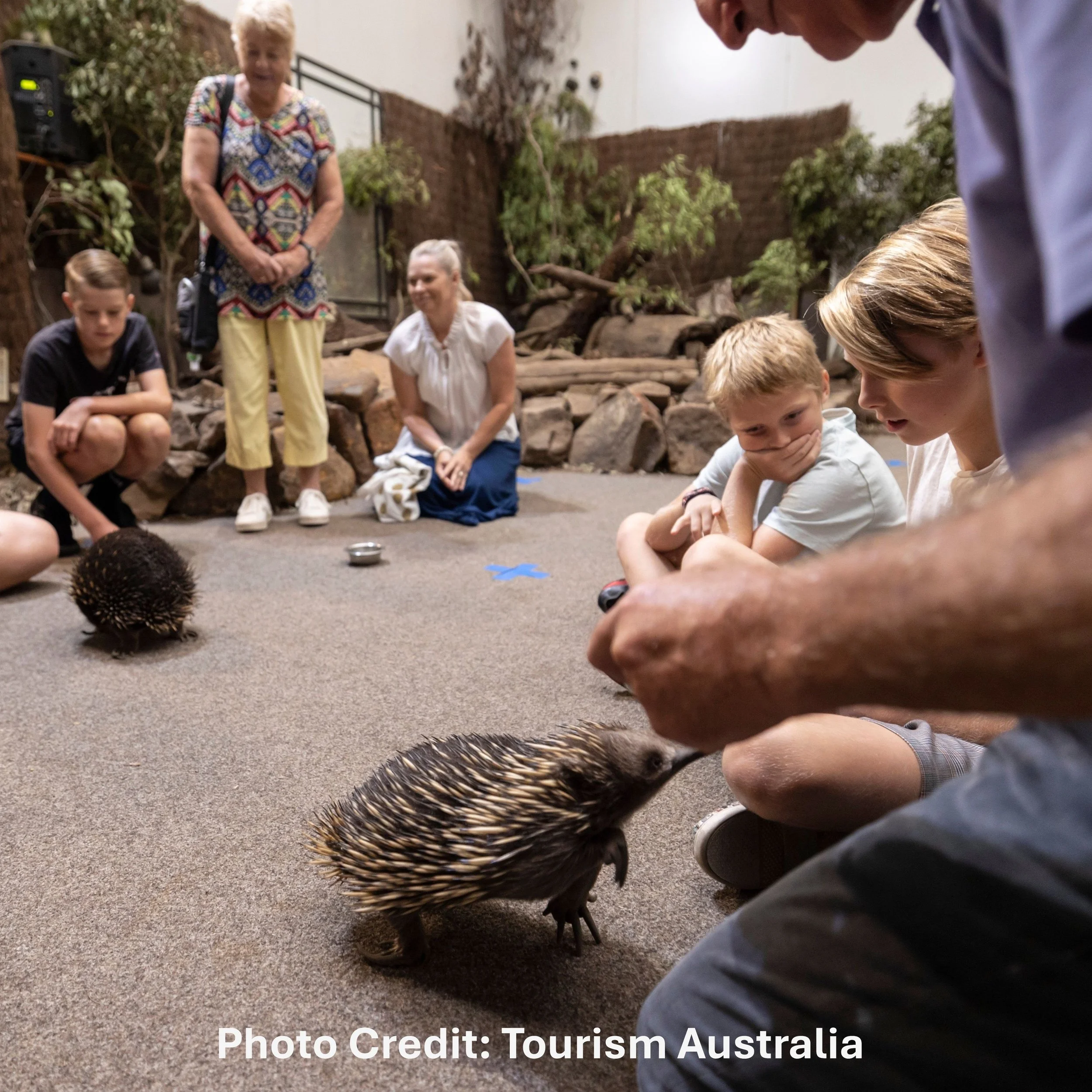
Platypus House visit focusing on native species and habitats
Seahorse World tour examining marine life and conservation
Learning Focus: Industrial history, biology, conservation
Day 2 – Interactive Science & Wildlife Conservation
Hive Tasmania visit featuring interactive science exhibits, planetarium, art gallery and workshops
Devils @ Cradle experience exploring Tasmanian devil conservation
Learning Focus: STEM, scientific inquiry, wildlife conservation
Day 3 – Cradle & Central Highlands: Landscapes & Energy
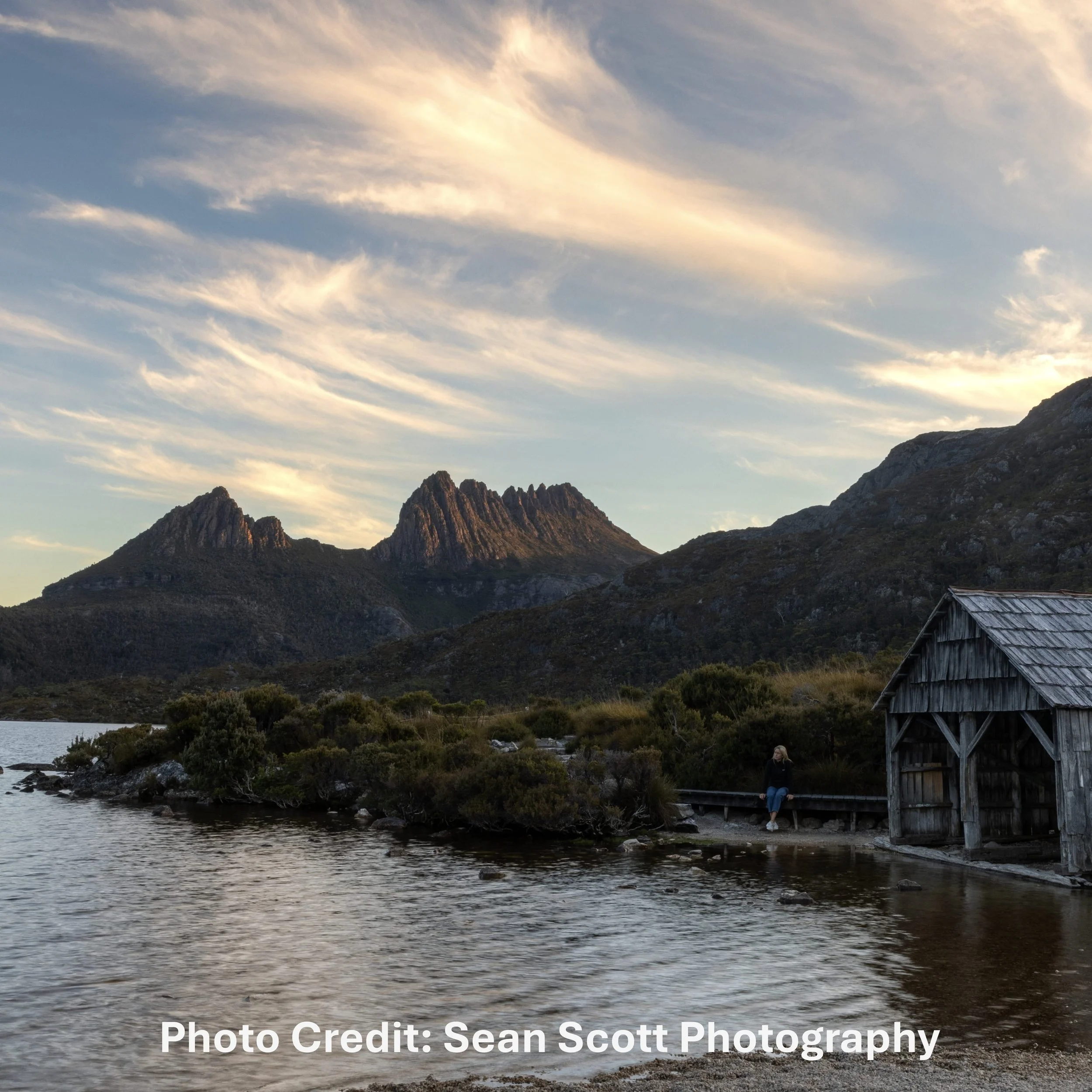
Cradle Mountain Dove Lake Walk examining alpine ecosystems
Waddamana Power Station Heritage Site visit exploring hydro-electric history
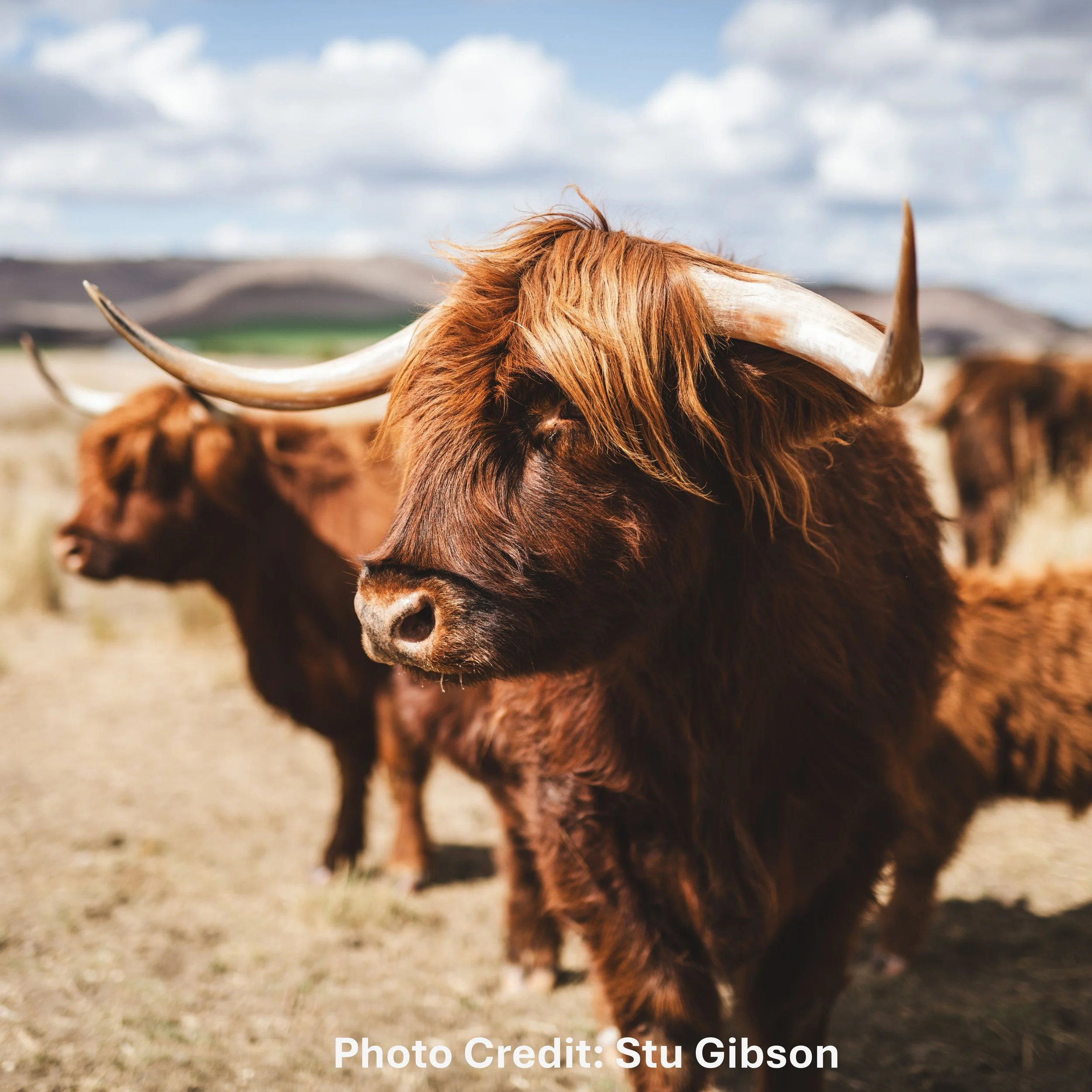
Curringa Farm tour focusing on agriculture and rural land use
Learning Focus: Ecosystems, renewable energy, agriculture
Day 4 – Bruny Island: Cultural Heritage & Coastal Environments
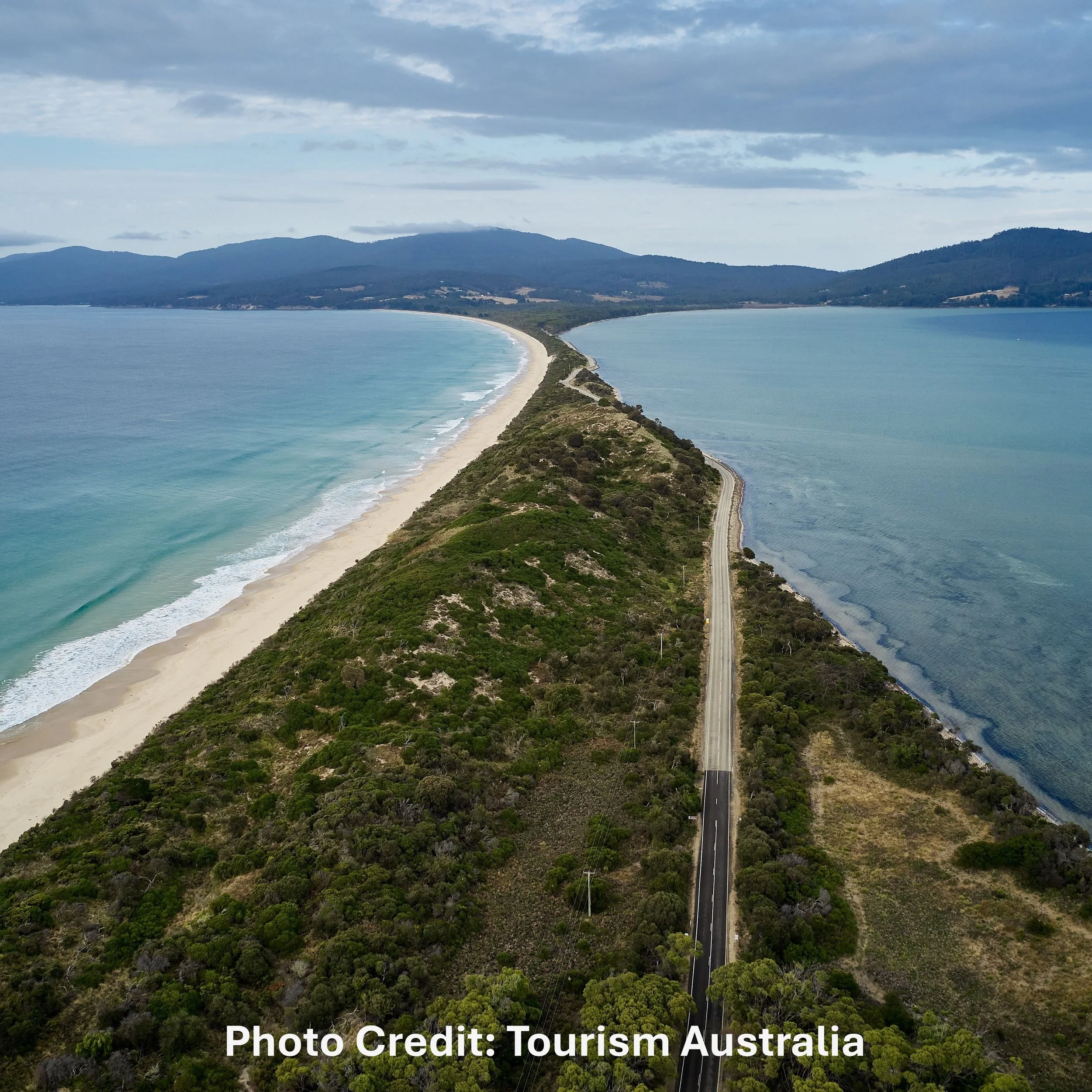
Bruny Island exploration including Bligh Museum and The Neck Lookout
Discussion of island ecosystems, history and coastal landforms
Learning Focus: History, geography, marine and coastal environments
Day 5 – Southern Tasmania: Marine & Wildlife Studies
Marine Discovery Centre visit exploring marine ecosystems and food webs
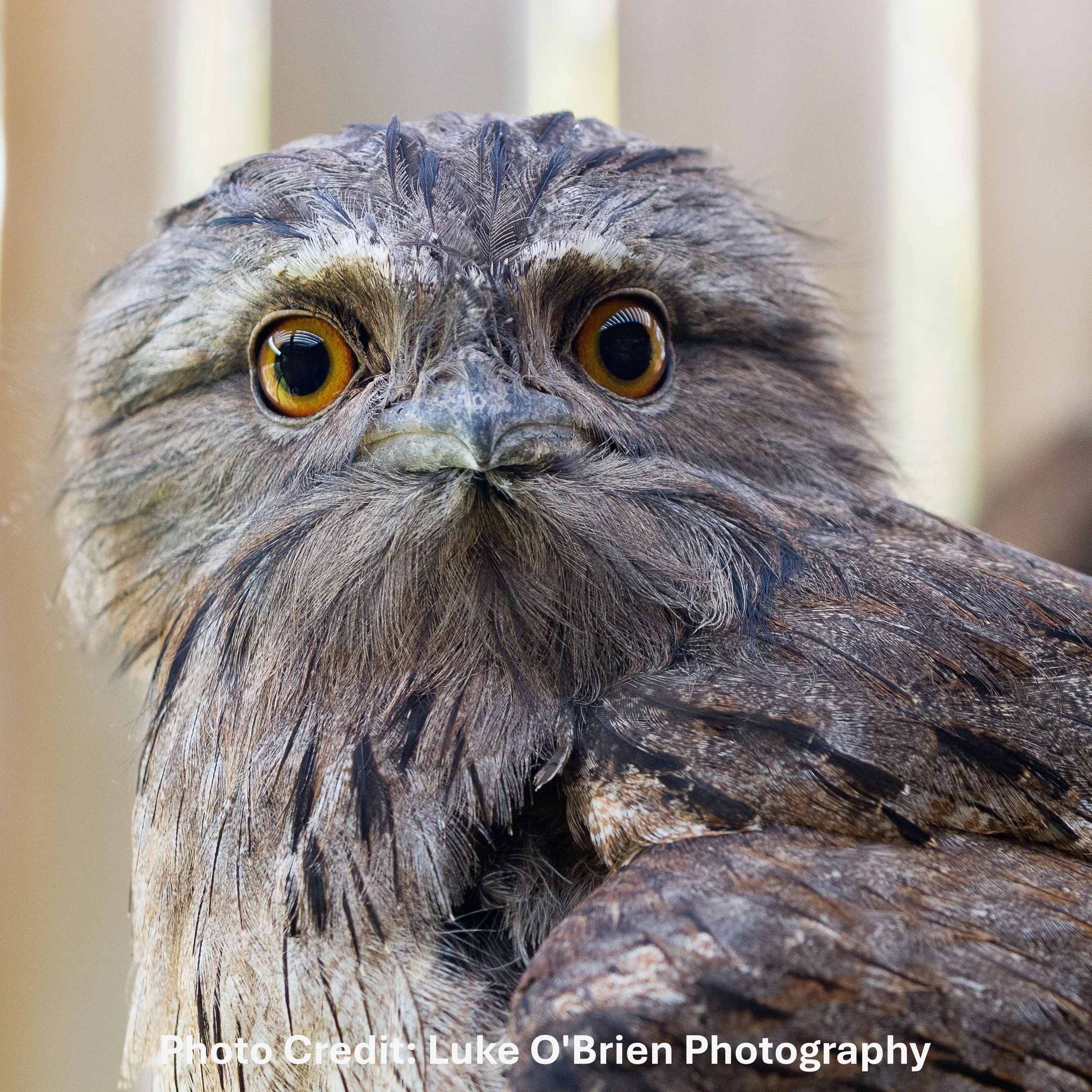
Raptor Refuge visit focusing on birds of prey and rehabilitation
Learning Focus: Marine science, ecology, wildlife conservation
Day 6 – Hobart Region: Alpine Landscapes & Colonial History
kunanyi / Mount Wellington exploration examining alpine environments and clima
Richmond visit including historic township exploration
Learning Focus: Geography, climate, colonial history and heritage
Key Learning Areas
Subjects Supported
Science
Geography
History
Environmental Science
STEM
Humanities & Social Sciences (HASS)
Sustainability & Energy Studies
Curriculum Connections
Scientific inquiry and observation
Natural environments and ecosystems
Human impact and industrial heritage
Renewable energy and resource management
Aboriginal and Torres Strait Islander perspectives
Sustainability and environmental stewardship
Suitability by Education Level
Primary School (Years 4–6)
Interactive science, wildlife and environmental learning
Guided interpretation and hands-on discovery
Foundational understanding of Tasmania’s natural and cultural landscapes
Secondary School (Years 7–12)
Curriculum-aligned fieldwork and inquiry-based activities
Links to Science, Geography, History and STEM subjects
Supports assessment tasks and cross-disciplinary learning
Tertiary & Vocational
Applied learning across environmental studies, science and tourism
Insight into industrial heritage, energy systems and conservation
Suitable for TAFE, university and vocational cohorts
Customisation Options
Adjust tour length or daily focus
Tailor learning outcomes by subject or year level
Incorporate assessment-linked activities
Suitable for single-school or multi-school groups
Plan Your Tasmania Educational Tour
Work with Team of Travel’s tour coordinators to tailor this itinerary to your students’ curriculum requirements, learning objectives and preferred travel dates.