
Kangaroo Island & Adelaide Environmental & Conservation Educational Tour
Wildlife, Ecosystems & Sustainable Land Management
Tour Overview
Kangaroo Island & Adelaide Environmental & Cultural Heritage Educational Tour offers students an immersive exploration of South Australia’s unique ecosystems, wildlife conservation initiatives, and cultural heritage. Kangaroo Island, often called Australia’s “Galápagos,” is home to diverse wildlife including kangaroos, koalas, sea lions, and native birds, while Flinders Chase National Park provides iconic geological features and pristine natural landscapes.
This tour combines hands-on environmental education, wildlife observation, conservation case studies, and cultural experiences in Adelaide. Students learn about biodiversity management, ecological restoration, and sustainable land use while linking these experiences to Geography, Environmental Science, Biology, and Humanities curricula.
The program is highly flexible for upper primary, secondary and tertiary students, and offers opportunities for fieldwork, observation, inquiry-based learning, and applied environmental projects.
Sample Day-by-Day Itinerary
Indicative program – all activities can be tailored to learning outcomes and year levels
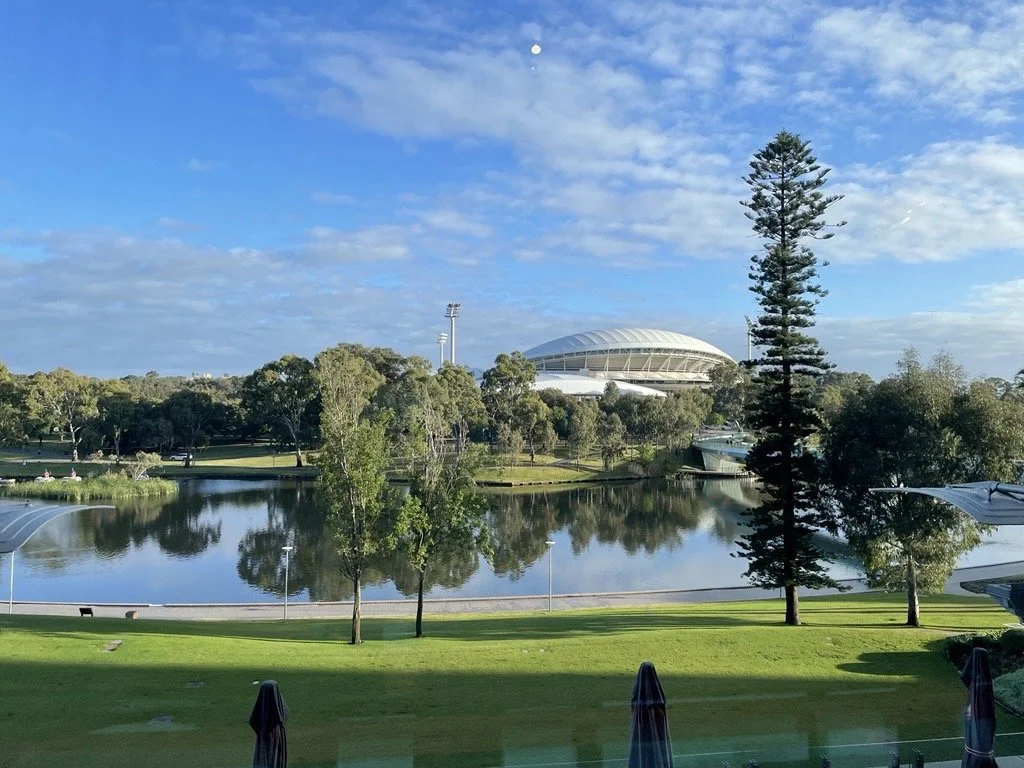
Day 1 – Adelaide Orientation & Learning Focus
Tailored introduction to Adelaide aligned with students’ learning areas
Visit local museums, cultural sites, or agricultural locations to provide context for regional ecosystems
Learning Focus: Urban geography, regional context, cultural and environmental awareness
Day 2 – Kangaroo Island: Wildlife Conservation
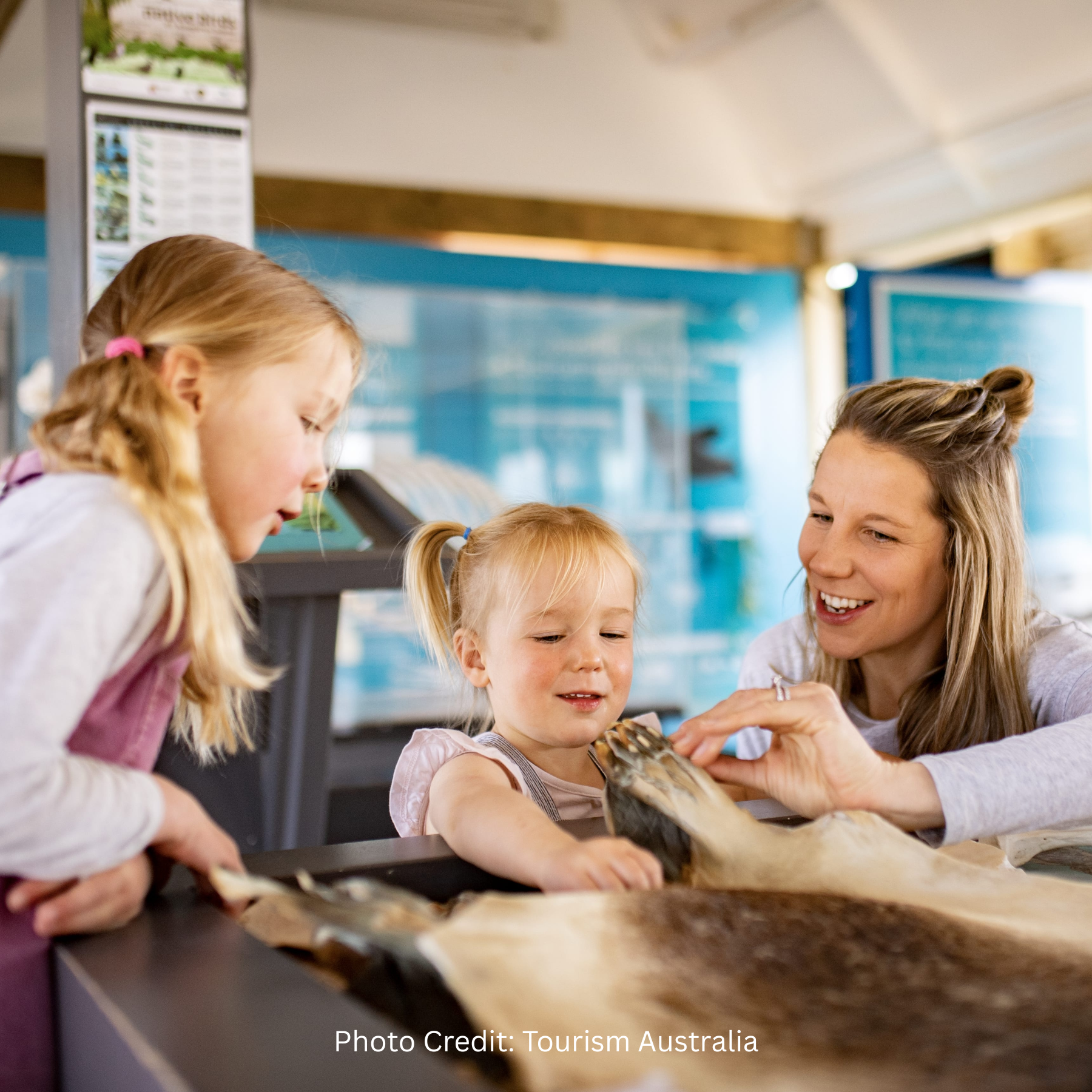
Seal Bay Conservation Park guided tour observing Australian sea lions
Raptor Domain experience with native birds of prey, focusing on conservation and rehabilitation
Discussion on endangered species, wildlife protection strategies, and habitat restoration
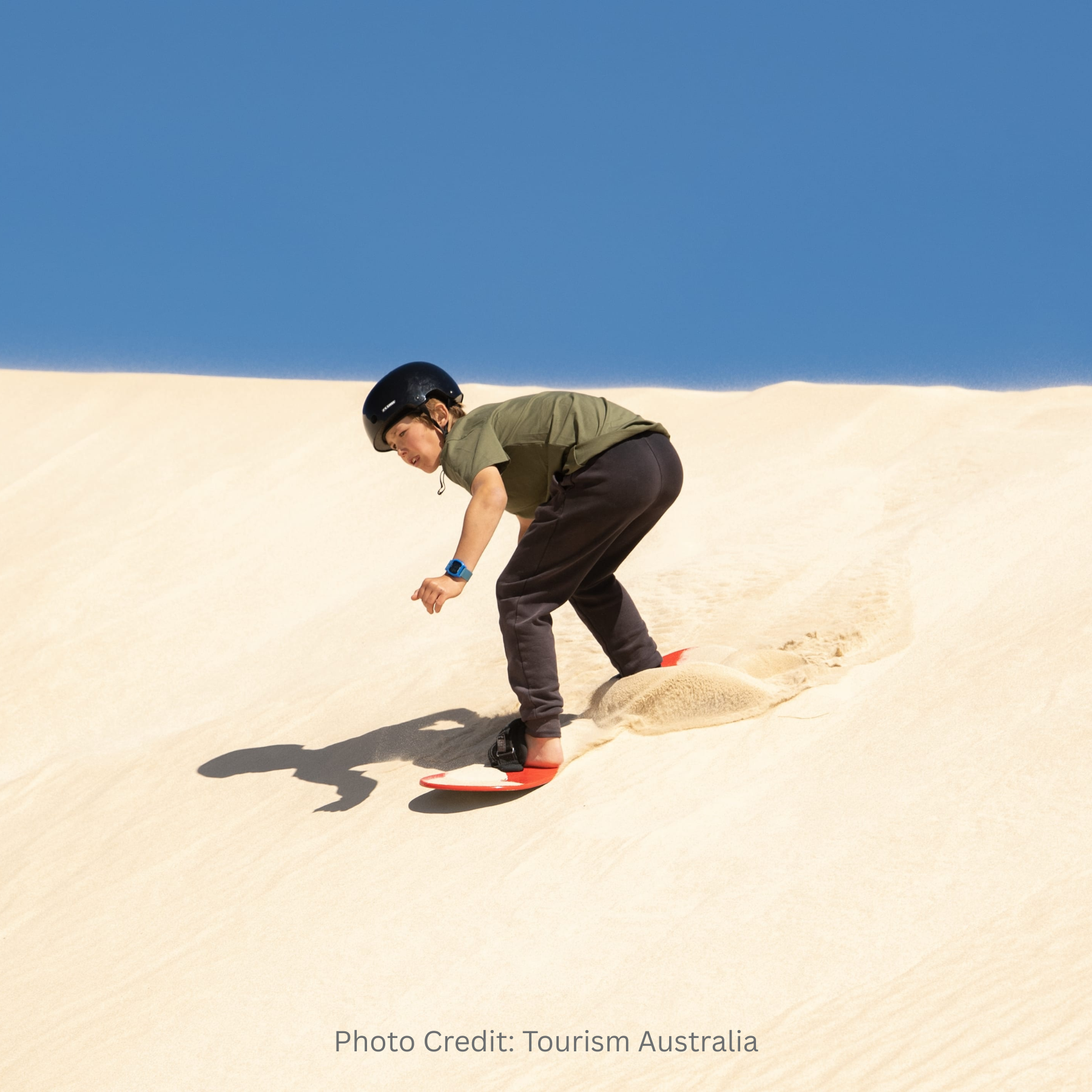
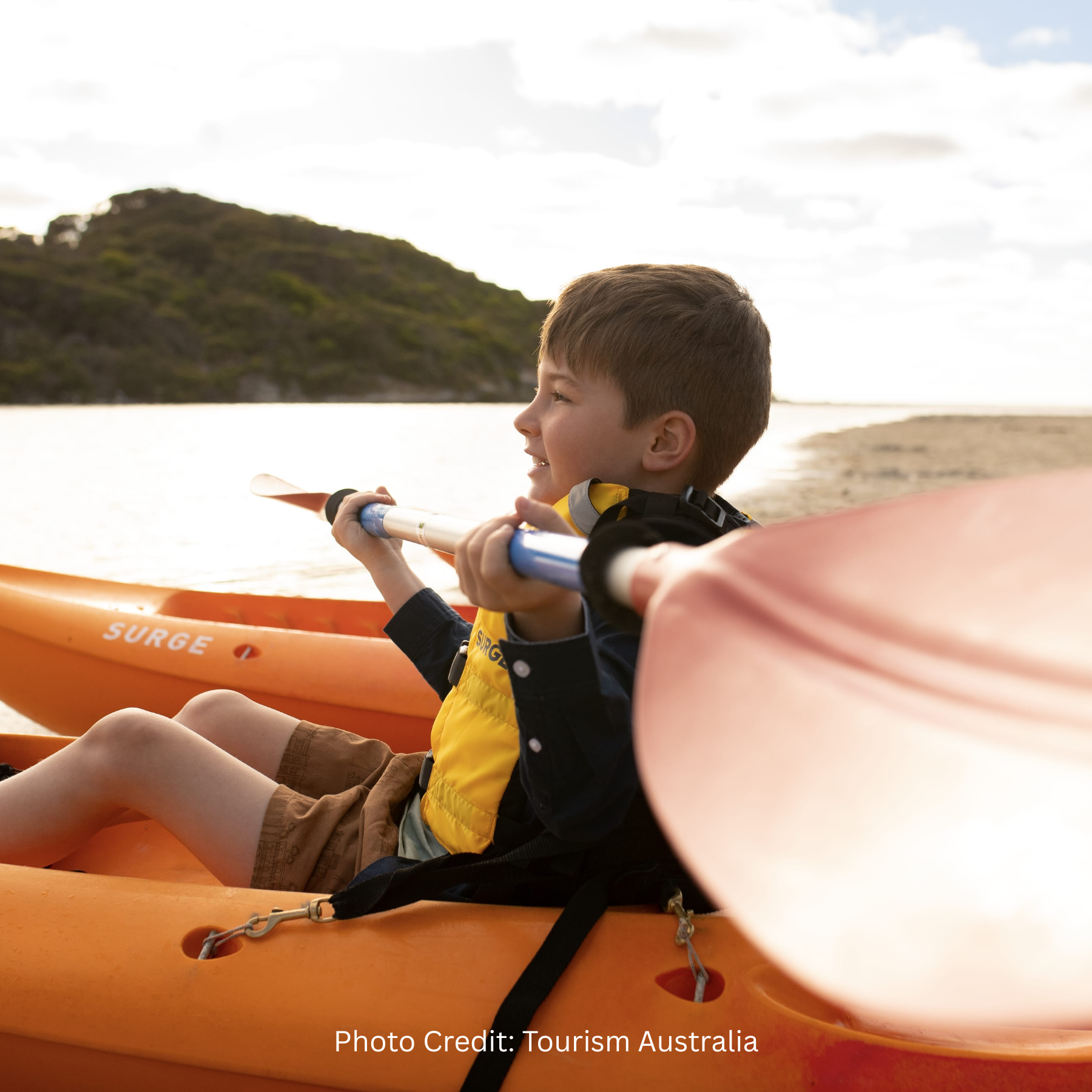
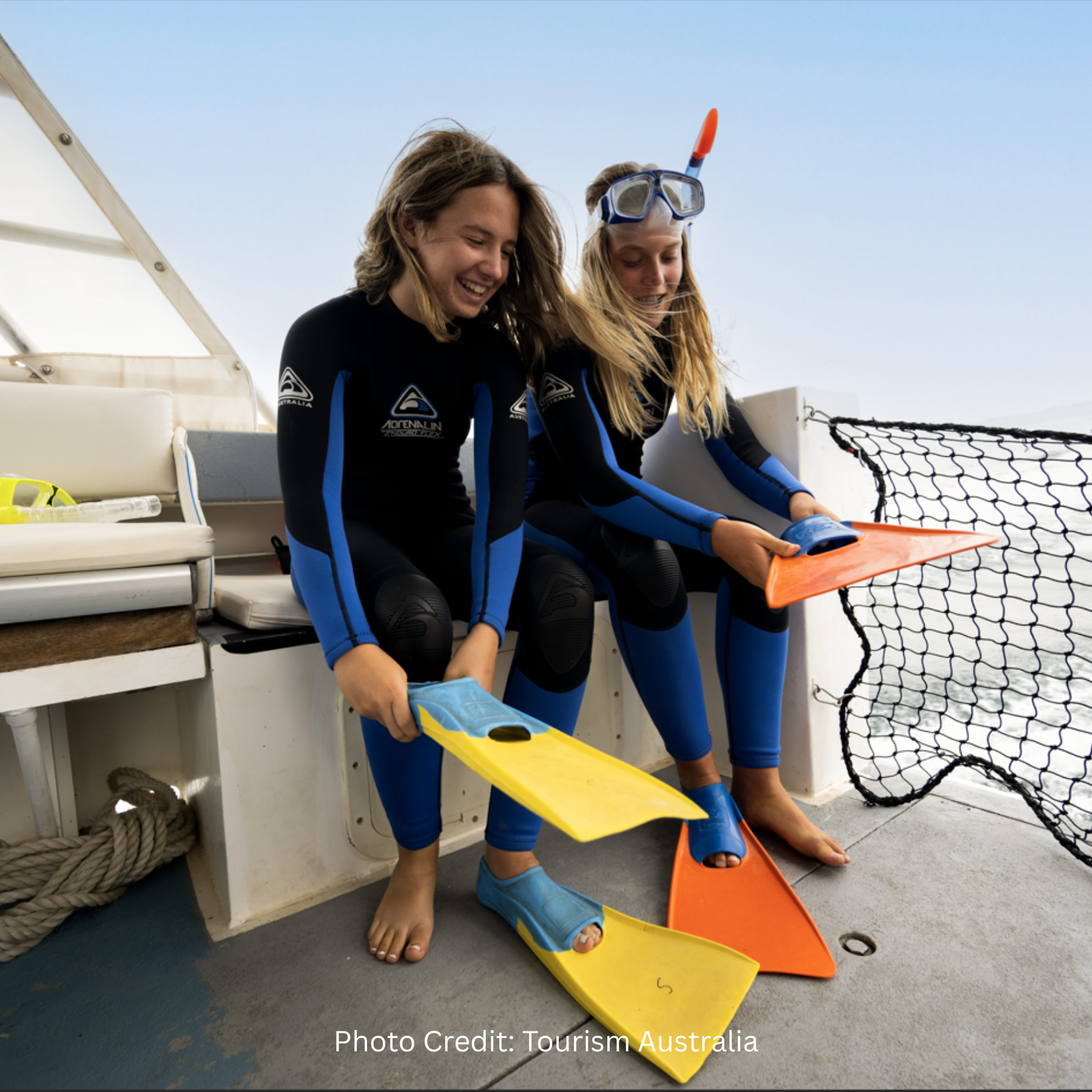
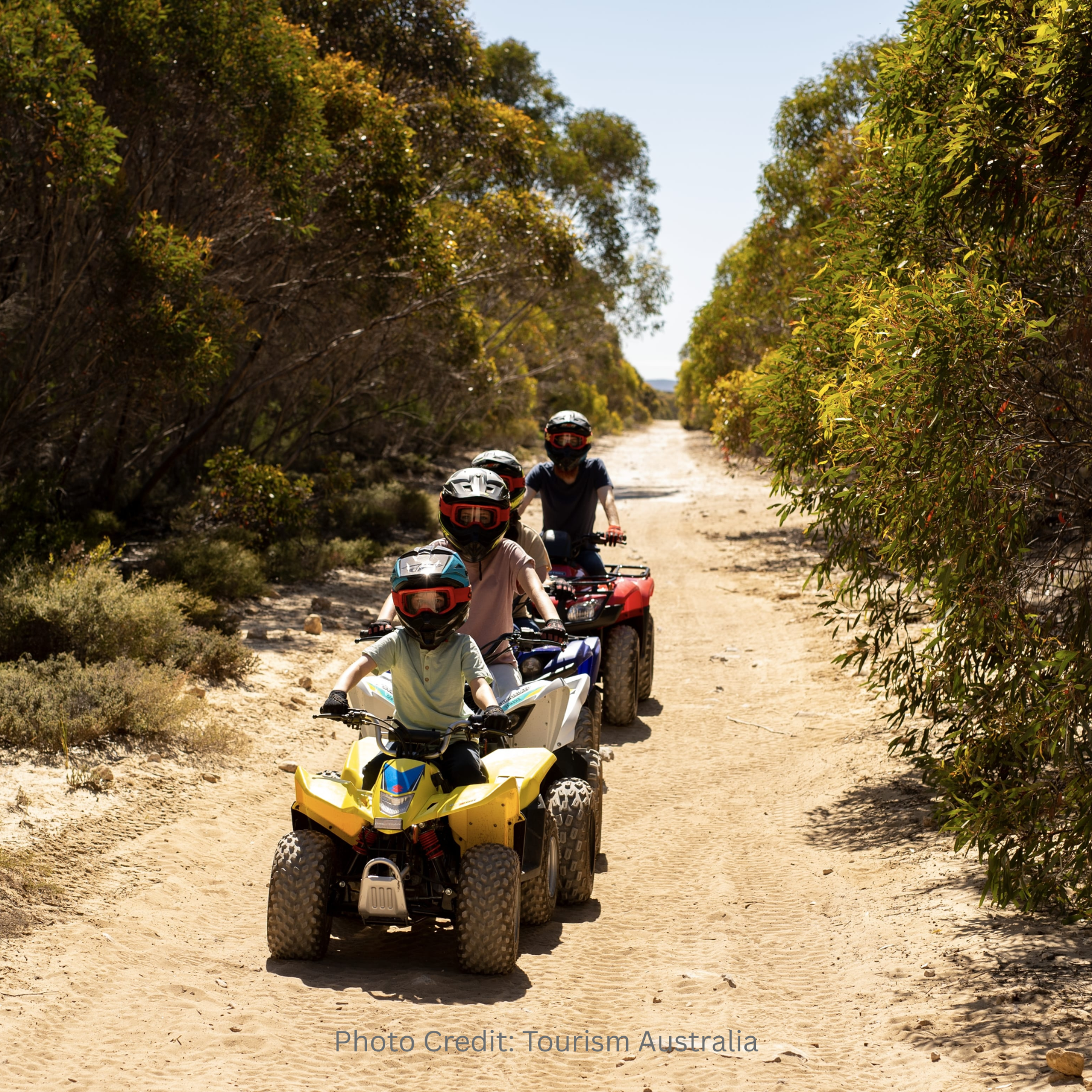
Adventure Activity Options; ATV tour, kayak tour, e-bike tour, buggy tour, Sandboarding/tobogganing, dolphin swim
Learning Focus: Biodiversity, animal adaptations, conservation management
Day 3 – National Parks & Landforms
Flinders Chase National Park guided exploration
Admirals Arch
Remarkable Rocks
Coastal viewpoints
Examine geology, erosion, and coastal ecosystems
Optional short bushwalk to connect landscapes with ecological and conservation concepts
Learning Focus: Ecosystem interconnections, landform geology, ecological sustainability
Day 4 – Adelaide Hills & Sustainable Communities
Visit Hahndorf to explore historical settlement and local culture
Optional farm visit or hands-on experience with local producers
Short bushwalk highlighting sustainable agriculture or land management
Learning Focus: Sustainable land use, cultural heritage, human-environment interaction
Key Learning Areas
Subjects Supported
Science & Environmental Science
Geography
Sustainability Studies
Biology & Ecology
Humanities & Social Sciences
Curriculum Connections
Biodiversity and conservation practices
Ecosystem management and human impact
Coastal and terrestrial landforms
Environmental sustainability and ecological restoration
Cultural heritage and sustainable tourism
Observation, fieldwork and data collection skills
Suitability by Education Level
Primary School (Years 4–6)
Introduction to native wildlife, habitats, and environmental conservation
Guided tours and structured observation activities
Secondary School (Years 7–12)
Fieldwork aligned to Geography, Science and Sustainability outcomes
In-depth exploration of ecological systems and conservation management
Assessment-linked inquiry activities
Tertiary & Vocational
Applied learning in conservation, environmental management and eco-tourism
Exposure to professional wildlife rehabilitation and research initiatives
Customisation Options
Adjust tour length or daily focus
Tailor learning outcomes by subject or year level
Incorporate assessment-linked activities
Suitable for single-school or multi-school groups
Plan Your Tasmania Educational Tour
Work with Team of Travel’s tour coordinators to tailor this itinerary to your students’ curriculum requirements, learning objectives and preferred travel dates.